Carrying a handgun in Tennessee: permitless carry and the two permits
Tennessee does not require a permit to carry a handgun, and it still issues two of them. That sounds odd until you look at what a permit buys: recognition in other states, entry to a few places that are otherwise closed, and a document that settles an argument on the roadside. This guide explains the permitless rule, the two permit types, what each costs and what the training looks like. It reflects the rules published by the Department of Safety and Homeland Security as of September 2026.
Carrying without a permit
Since July 1, 2021, Tenn. Code Ann. 39-17-1307 has allowed a person who may lawfully possess a handgun to carry it openly or concealed in any place they are lawfully present. There is no course, no fee and no card. After the federal agreed order in Beeler v. Long in 2023 and a 2025 amendment to the permit statute, adults aged 18 and older are covered. The Department of Safety now lists 18 as the minimum age for a Tennessee handgun carry permit.
What permitless carry does not do is override the places where handguns are barred, and it does not travel. Most states that honour Tennessee permits do not honour a Tennessean carrying without one.
The enhanced handgun carry permit
The enhanced permit has been the state's standard permit since January 1, 2020. It allows both open and concealed carry of any handgun you lawfully own or possess, and it must be shown to a law enforcement officer on demand.
- Term: eight years, or a lifetime version with no expiry.
- Cost: $100 for the eight-year permit, or $65 with an active military credential or a discharge document showing honourable service. The lifetime permit is $300, or $265 for military applicants. Renewing the eight-year permit is $50, and upgrading from eight-year to lifetime is $200.
- Training: a department-approved handgun safety course with live fire, unless one of the statutory exemptions applies. The department publishes the accepted training options and a directory of certified schools.
The concealed handgun carry permit
The concealed-only permit is the cheaper route with two real limits. It costs $65, runs eight years and requires that the handgun stay concealed at all times. The department also runs a name-based background recheck every five years on these permits, and holders may not carry at any school or university, public or private. Its training requirement is lighter than the enhanced permit's and can be met with an approved course, including online options the department lists.
If you want the widest recognition in other states and the option of open carry, the enhanced permit is the one to hold. If you only want a card that keeps a concealed pistol on you and never expect to open carry, the concealed permit does the job for less money.
How to apply
- Finish the training first unless you are exempt. Retired law enforcement and some current and former service members have their own routes.
- Apply online through the Department of Safety handgun permit services. The application is statewide, so your county sheriff has no part in it.
- Get fingerprinted at an approved vendor site and pay the print fee, which is separate from the permit fee.
- Wait for the mail. Approval times vary with volume; the department publishes current processing information.
Retired law enforcement officers who meet the statutory criteria can get a lifetime enhanced permit at no cost using the department's form and an agency letter. People with an order of protection can get a temporary permit at no cost, valid in Tennessee for 60 days.
Which one is worth the money
Run the arithmetic over eight years. The concealed permit is $65 and asks less of you up front, but it closes off every school and university campus and gives you a narrower set of states that will honour it. The enhanced permit is $100, or $65 if you have served, and the lifetime version at $300 works out cheaper than two eight-year renewals if you expect to keep carrying. For most people in East Tennessee who travel at all, through Virginia, Georgia or the Carolinas, the enhanced permit is the one that earns its keep.
Where a permit does not help
The permit does not open courtrooms during judicial proceedings, school campuses and their grounds, or private property where the owner has posted notice. Permit holders are generally allowed in public parks under 39-17-1311, but the attorney general has read that alongside the school statute so that a field or recreation area in use by a school stays closed while the school is using it. Federal buildings and facilities follow federal law. The full list is in the Tennessee gun laws guide.
Reciprocity
Tennessee permits are honoured in a long list of states, and the list changes. The Department of Safety keeps the current reciprocity map and answers the question state by state; check it before a trip rather than trusting a printed list. Note that some states honour enhanced permits but not concealed-only permits, and a Tennessean carrying under permitless rules has no reciprocity at all.
Picking a carry pistol
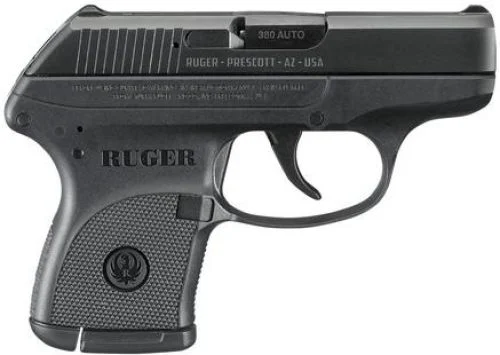
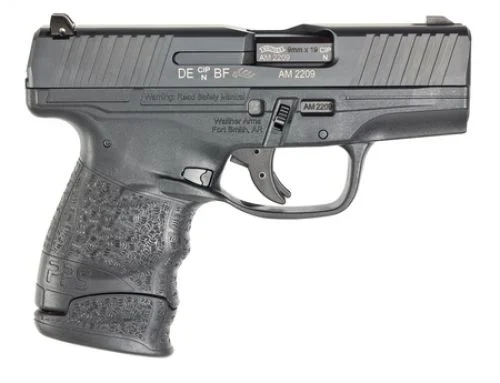
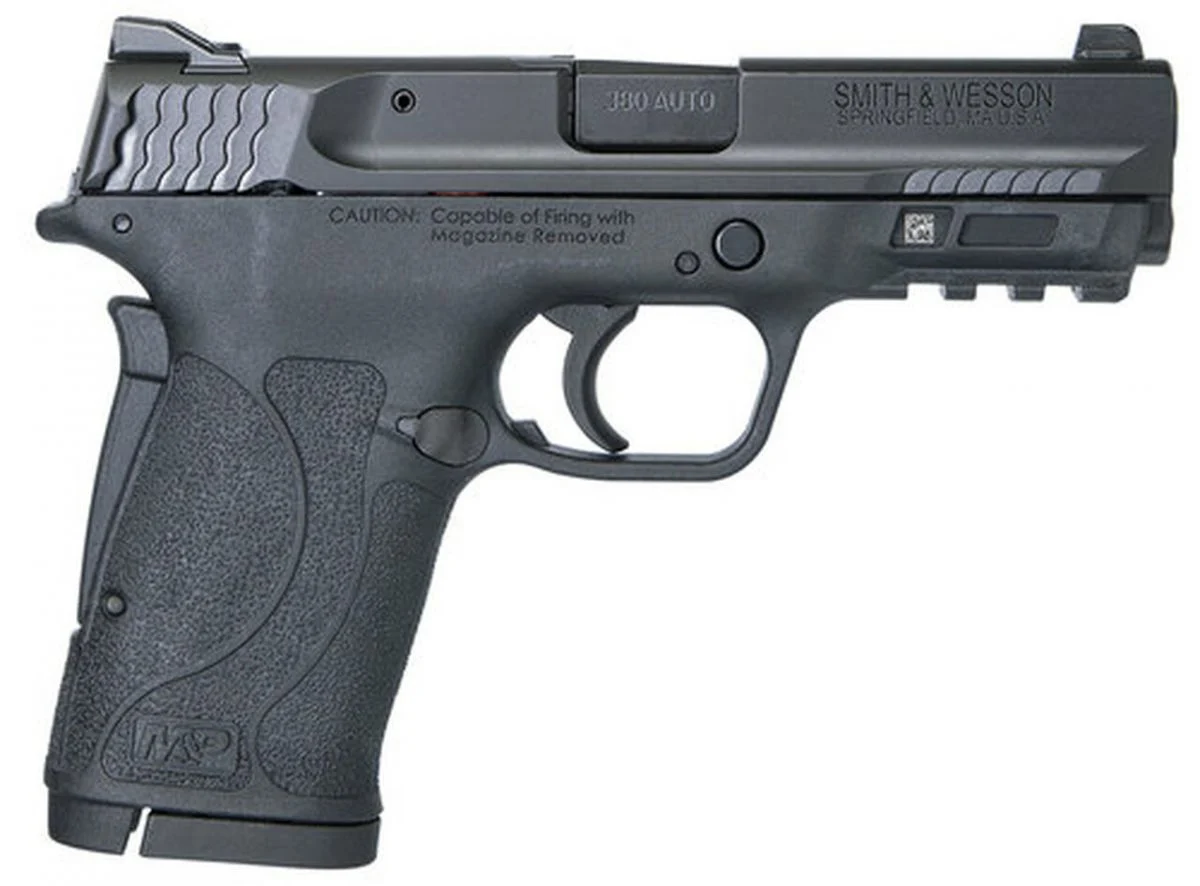
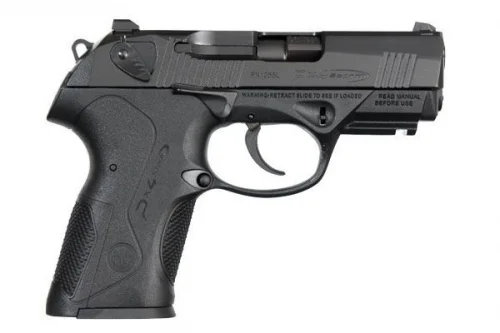
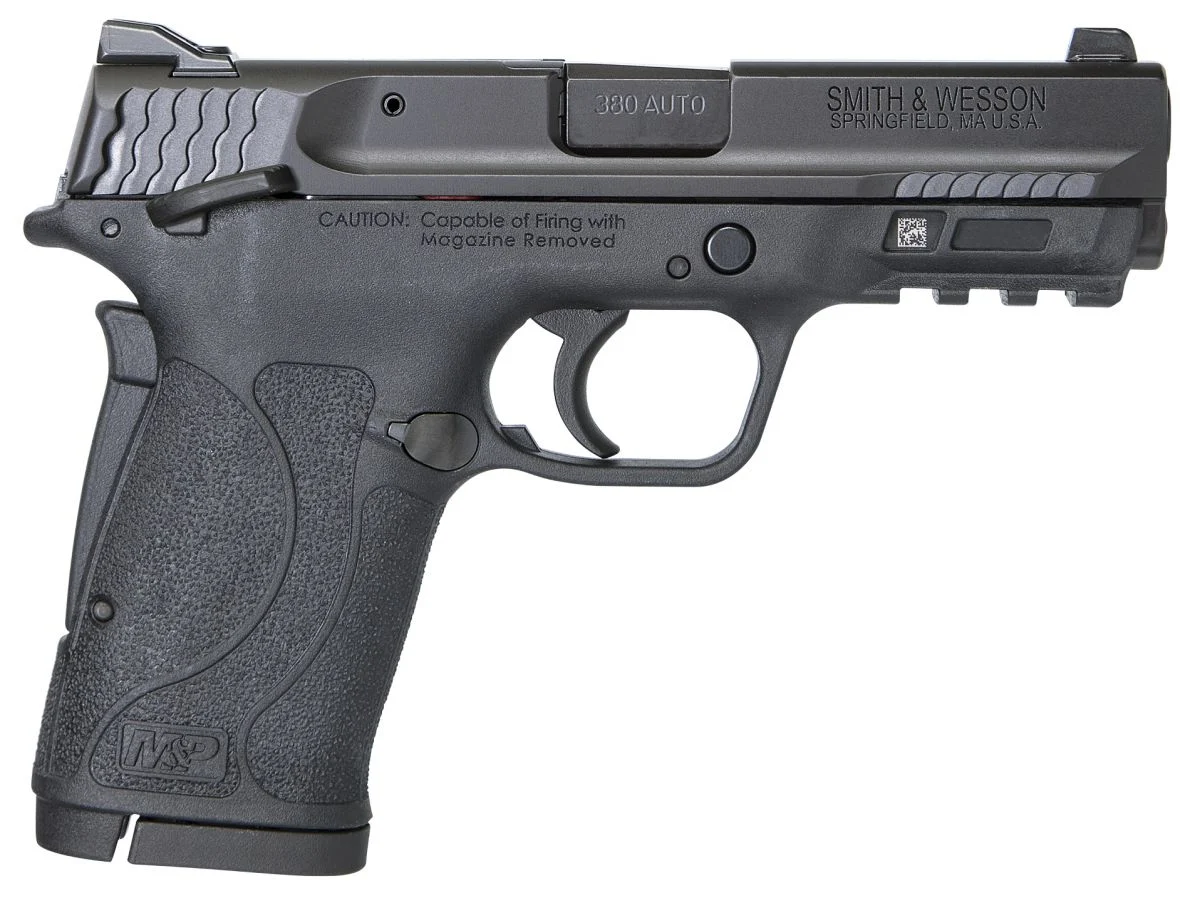
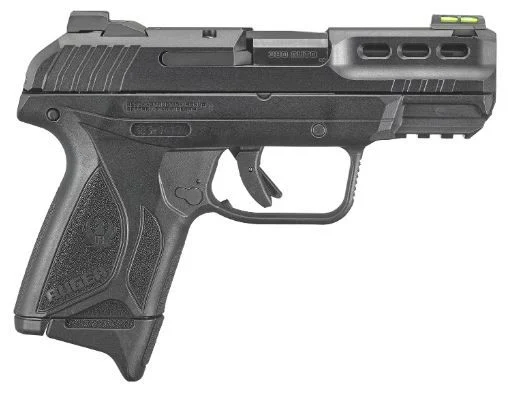
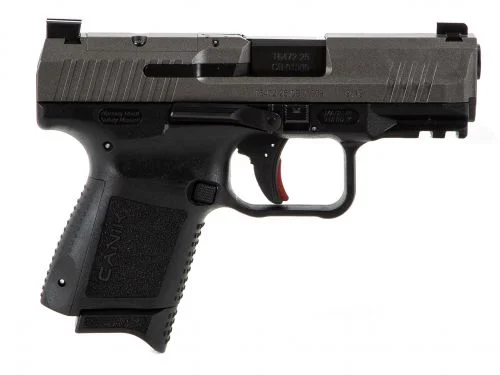
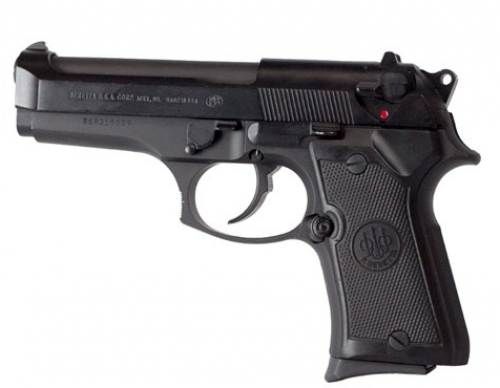
Most people who carry every day settle on a compact or micro-compact 9mm with a 10- to 15-round magazine: a Glock 43X or 19, a Smith and Wesson Shield Plus or M&P, a Sig P365 or a Ruger Max-9 all fit the pattern. A red dot adds real speed if you commit to the training. Summer in the Tennessee Valley is hot and humid, so a stainless or coated slide and a holster that tolerates sweat are worth the money. Revolvers still make sense for pocket carry and for shooters who want the simplest manual of arms. Our catalog lists live prices on all of them, and each one ships to the dealer you pick. The Knoxville buying guide covers where to shoot once you have it.
General information, not legal advice. Current as of September 2026. Laws change; check the official source before you act.