Tennessee deer and bear season 2026-27 and the rifles that fit it
Tennessee runs one statewide set of deer season dates and splits the antlerless side of the bag among six Deer Management Units. Bear is handled separately, with five hunt zones and separate rules for hunting with hounds and still hunting. This guide gives the 2026-27 dates published by the Tennessee Wildlife Resources Agency, explains which unit and zone East Tennessee falls in, and works through the rifles and calibers that make sense in this terrain. Always read the current guide for your county before the season.
The 2026-27 deer dates
- August archery, private land and some Unit 1 wildlife management areas only: August 28 to 30, 2026.
- Archery: September 26 to October 30, 2026, and November 2 to 6, 2026.
- Young sportsman, ages 6 to 16: October 31 to November 1, 2026, and January 9 to 10, 2027.
- Muzzleloader and archery: November 7 to 20, 2026.
- Gun, muzzleloader and archery: November 21, 2026 to January 3, 2027.
The statewide limit is two antlered deer, one per day. Antlerless limits are set by unit, and Units 4, 5 and 6 in East Tennessee do not all run the same allowance. Archery gear is legal during the muzzleloader and gun seasons, and muzzleloaders are legal during gun season. Straight-wall cartridge rifles are allowed on private land during the second week of the muzzleloader season only, which is a rule worth reading carefully if you own a .450 Bushmaster or a .350 Legend.
Which unit are you in
East Tennessee splits across three units. Unit 4 covers the Cumberland front and plateau counties including Anderson, Campbell, Claiborne, Cumberland, Grainger, Morgan, Scott and Union. Unit 5 takes in Knox, Loudon, Roane, McMinn, Meigs, Rhea, Bradley, Hamilton and Marion. Unit 6 covers the mountain counties: Blount, Sevier, Cocke, Jefferson, Hamblen, Hawkins, Greene, Washington, Sullivan, Carter, Johnson, Unicoi, Monroe and Polk. If you hunt Catoosa out of Crossville you are in Unit 4; if you hunt the family farm in Knox County you are in Unit 5; if you hunt the Cherokee National Forest above Tellico you are in Unit 6.
Bear season and the five zones
Tennessee bear hunting is organised around Bear Hunt Zones, and East Tennessee holds all of them. Zone 1 covers the northeast mountains: Carter, Cocke north of Interstate 40, Greene, Johnson, Sullivan, Unicoi and Washington. Zone 2 covers Blount, Cocke south of I-40, Jefferson east of Highway 411 and Sevier. Zone 3 covers Monroe, Polk and McMinn east of Highway 411. Zone 4 runs along the Cumberlands through Anderson, Campbell, Claiborne, Cumberland, Fentress, Morgan, Overton, Pickett, Putnam, Scott, Van Buren and White.
For 2026-27 the statewide archery-only bear season runs September 26 to October 23, 2026 in every zone, with a young sportsman hunt October 31 to November 1. General still hunting falls November 21 to 24 in most zones. Hound seasons run early in October, again in November and late from November 30 into December, with the exact days varying by zone. The bag limit is one bear of either sex per year. Hunting is closed inside Great Smoky Mountains National Park.
Rifles for ridge-and-hollow country
Most East Tennessee deer are shot inside 150 yards, often much closer, from a ladder stand over a field edge or a bench on a hardwood ridge. That argues for a handy rifle rather than a long heavy one.
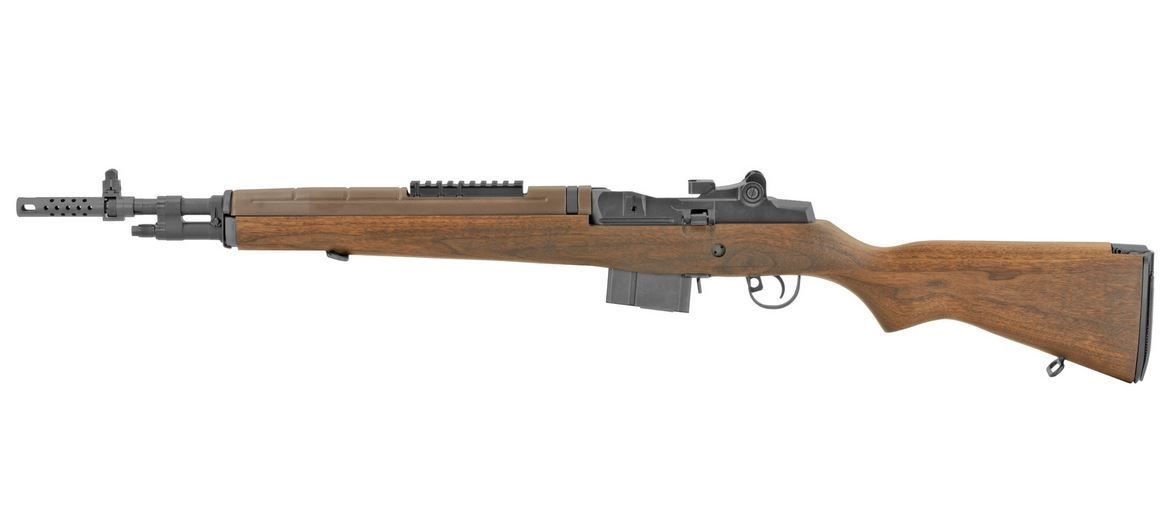
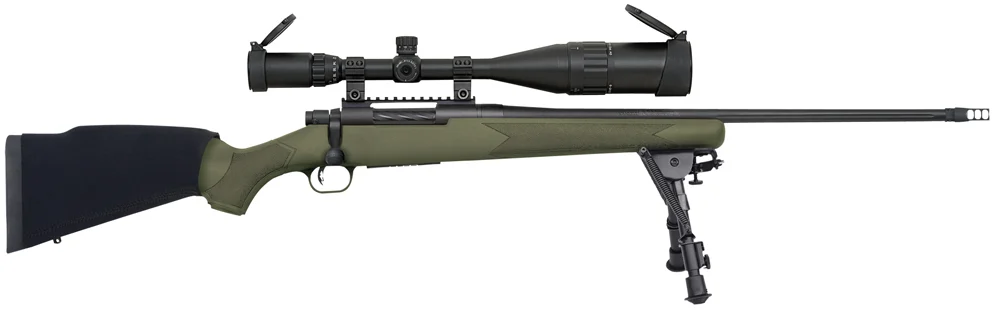
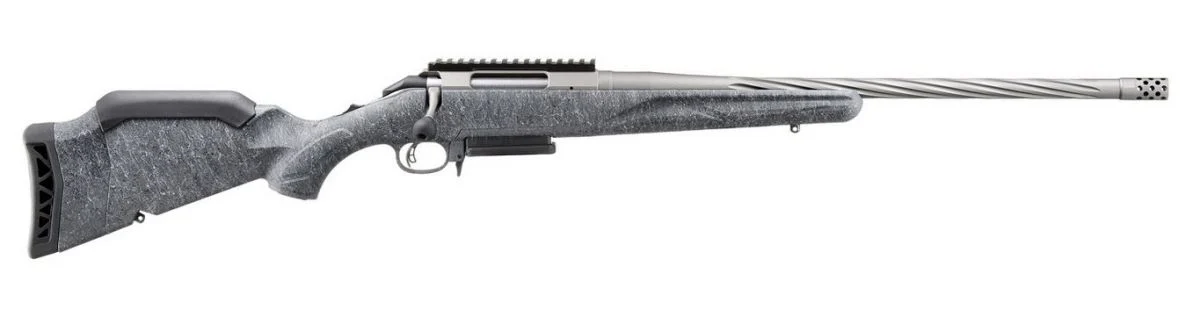
- The all-round bolt guns: .243 Winchester, 6.5 Creedmoor, .270 Winchester, 7mm-08, .308 Winchester and .30-06. Any of them, with a decent expanding bullet, will do everything a Tennessee deer hunter needs. A 20- to 22-inch barrel keeps the rifle workable in thick cover.
- Lever guns: the .30-30 has killed more deer in these hills than anything else, and a Marlin 336 or Henry in .30-30 or .35 Remington is still a fine timber rifle. They carry well on a steep climb.
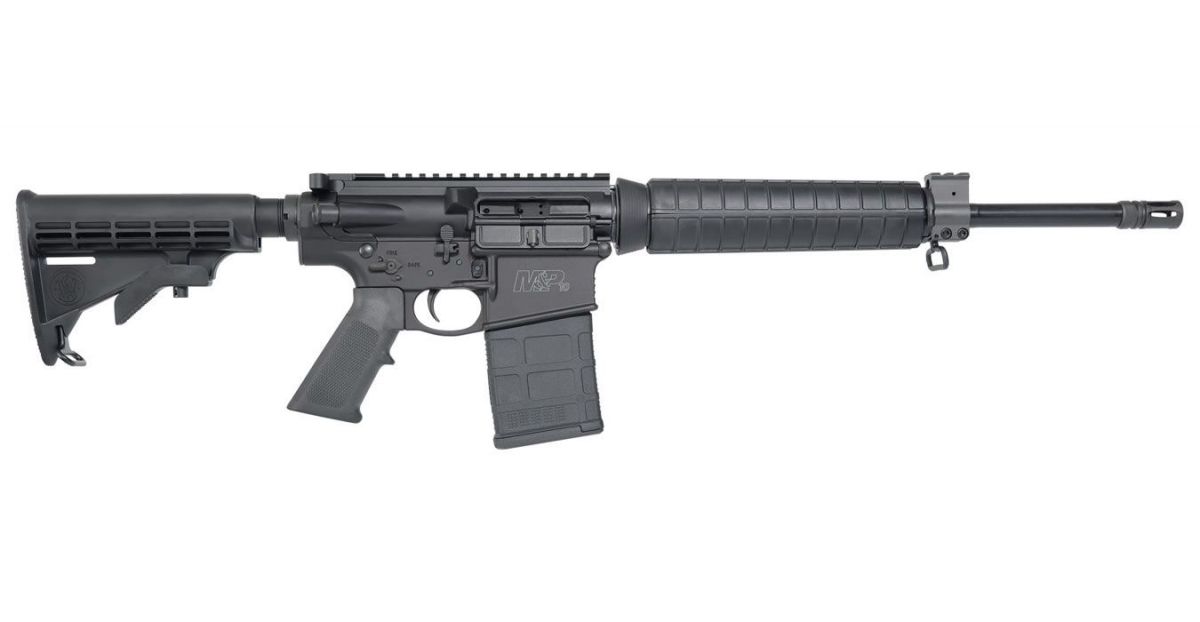
- Straight-wall options: .450 Bushmaster and .350 Legend are popular but, on private land, legal only in that second muzzleloader week. Read the current rule before you count on one.
- For bear: heavier bullets earn their keep. A .308, .30-06, .35 Whelen or .45-70 with a stout controlled-expansion bullet is the common choice, and hound hunters often prefer a short lever gun or a large-bore handgun they can carry on a rope.
Optics and ammunition
A 3-9x40 or a 2-7x33 covers nearly everything in this terrain, and a low-power variable with an illuminated dot is a real advantage in the first and last twenty minutes of a foggy cove morning. Buy two boxes of your chosen load, sight in at 100 yards and leave the rest for the season; ammunition supply in popular deer calibers tightens every October. The catalog lists rifles, glass and ammunition with live prices, and every rifle ships to the dealer you pick.
Getting the rifle ready
Fog and damp are the real enemies here. A cove morning in November will put water on cold glass and inside a muzzle in minutes, so a stainless or cerakoted barrelled action, a set of flip-up lens covers and a muzzle cover earn their keep. Sling swivel studs matter more than most people expect when the climb out of a hollow starts at first light. A bipod is dead weight on a steep sidehill; a set of light shooting sticks or a padded rail on the stand does more. Shoot your rifle from the same position you will hunt from, not from a bench, and confirm the zero once the weather turns cold.
Before you go
You need a Tennessee hunting licence and the right big-game permits, and bear hunting needs its own permit and a check-in. Public ground close to Knoxville is limited, so the Catoosa, North Cumberland, Chuck Swan and Oak Ridge wildlife management areas fill up fast in the first gun week. Read the gun laws guide for transport rules and the Knoxville guide for local range options.
General information, not legal advice. Current as of September 2026. Laws change; check the official source before you act.